

Can magnesium make you tired? It may help you drift off at night; it probably can't make you tired the next day at usual doses.
More research is needed, and it may not help everyone. Too much supplemental magnesium can cause lethargy — the NIH UL is 350 mg from supplements.
| Form | Dr. Wu typically recommends | Sleep-trial evidence |
|---|---|---|
| Magnesium oxide | 400–500 mg | May improve subjective insomnia in older adults; evidence is thin and biased |
| Magnesium citrate | 250–500 mg | Better absorbed than oxide; dedicated sleep RCTs are scarce |
| Magnesium glycinate | 200–400 mg | Often better tolerated; sleep evidence is still limited |
Magnesium is an essential mineral found in food sources like nuts, seeds, and leafy vegetables. Magnesium helps with everything from bone health and blood sugar regulation to transporting calcium and potassium into your cells, which supports muscle function and normal heart rhythms. It’s also sold as a supplement — often to help you sleep.
But can taking a magnesium supplement make you sleepy? And if you’re feeling tired during the day, is popping a magnesium pill to blame?
More research is needed, but magnesium may improve your sleep and energy levels — if you take it correctly.
Below, we’ll dive more into whether magnesium can make you tired.
Did you know? Sleepiness and tiredness aren’t the same thing. Sleepiness is when you could fall asleep if you tried. Tiredness is when you feel fatigue, but you can’t necessarily sleep and sleeping might not boost your energy levels. Magnesium may make you feel sleepy (ready for sleep) and tired (drained and fatigued) in some cases.
“Magnesium won't make you tired exactly, and won't make you tired the next day either," says Dr. Chester Wu. "That's because a magnesium supplement doesn't function like a traditional sleep aid that makes you drowsy; instead, it helps regulate neurotransmitters and your sleep-wake cycle, to promote relaxation and help you feel sleepy without sedating you. That's why taking magnesium at night is unlikely to leave you feeling groggy or tired the next day, as it supports natural processes of sleep. But taking too much magnesium can lead to low energy, so be sure to stick to a maximum of 500 mg elemental magnesium if you’re trying the supplement and check with your healthcare provider that it’s safe for you."
Dr. Chester Wu is double board certified in Psychiatry and Sleep Medicine, and provides sleep medicine services, medication management, and psychotherapy to adults at his private sleep medicine and psychiatry practice.
Yes, taking magnesium may make you sleepy and ready for bed in many ways. It acts as a muscle relaxant, and indirectly increases gamma-aminobutyric acid (GABA), a neurotransmitter that lowers anxiety. It also contributes to the production of the sleep hormone melatonin, which plays a critical role in regulating your circadian rhythm — the internal body clock that helps to control your sleep patterns. Magnesium also helps reduce the stress hormone cortisol, further promoting relaxation and your readiness for sleep.
In some studies, supplemental magnesium has been found to improve:
Taking magnesium may also help with constipation, migraines, hot flashes, muscle cramps, and leg cramps for some, which can benefit sleep. And it may lower blood pressure and cut the risk of type 2 diabetes, heart disease, and osteoporosis.
And magnesium may make you feel tired via the placebo effect. If you’ve taken magnesium as a sleep supplement you could think yourself into feeling sleepy.
By getting more restful sleep, magnesium may help you feel more energized and awake during the day.
But more research is needed. There hasn’t been enough large-scale, high-quality research specifically focused on magnesium’s effects on sleep. Many clinical trials on magnesium are short, low quality, have contradictory findings, and are done on small sample sizes or on certain populations (like older adults or those with mental health issues, sleep disorders, or medical conditions). Dosages also vary from study to study and some use oral magnesium and other intravenous magnesium, making it hard to draw solid conclusions.
Plus, it’s unclear if supplements are just beneficial for those with low levels of magnesium — although nearly 50% of Americans don’t get enough of the mineral.
Beyond this, we all react differently to magnesium supplements and whether it makes you sleepy may depend on the type of magnesium supplement you take.
Different forms of magnesium have different levels of bioavailability, which affects how much is actually absorbed and used by the body.
For example, you can buy magnesium citrate, magnesium glycinate, magnesium oxide, magnesium chloride, and magnesium sulfate supplements, which may affect you — and your sleep and energy levels — in different ways.
Considering magnesium as a sleep supplement? We compare magnesium vs. melatonin here.
If you feel worse when you take magnesium, something else could be to blame — like sleep debt (sleep you’ve missed out on recently) or circadian misalignment (when you’re out of sync with your circadian rhythm, or body clock). These are common culprits of low energy.
Expert tip: Many of us don’t know how much sleep we need and therefore may not get enough of it. We looked at how much sleep 1.95 million RISE users aged 24 and up need and found 48% needed eight hours of sleep or more.
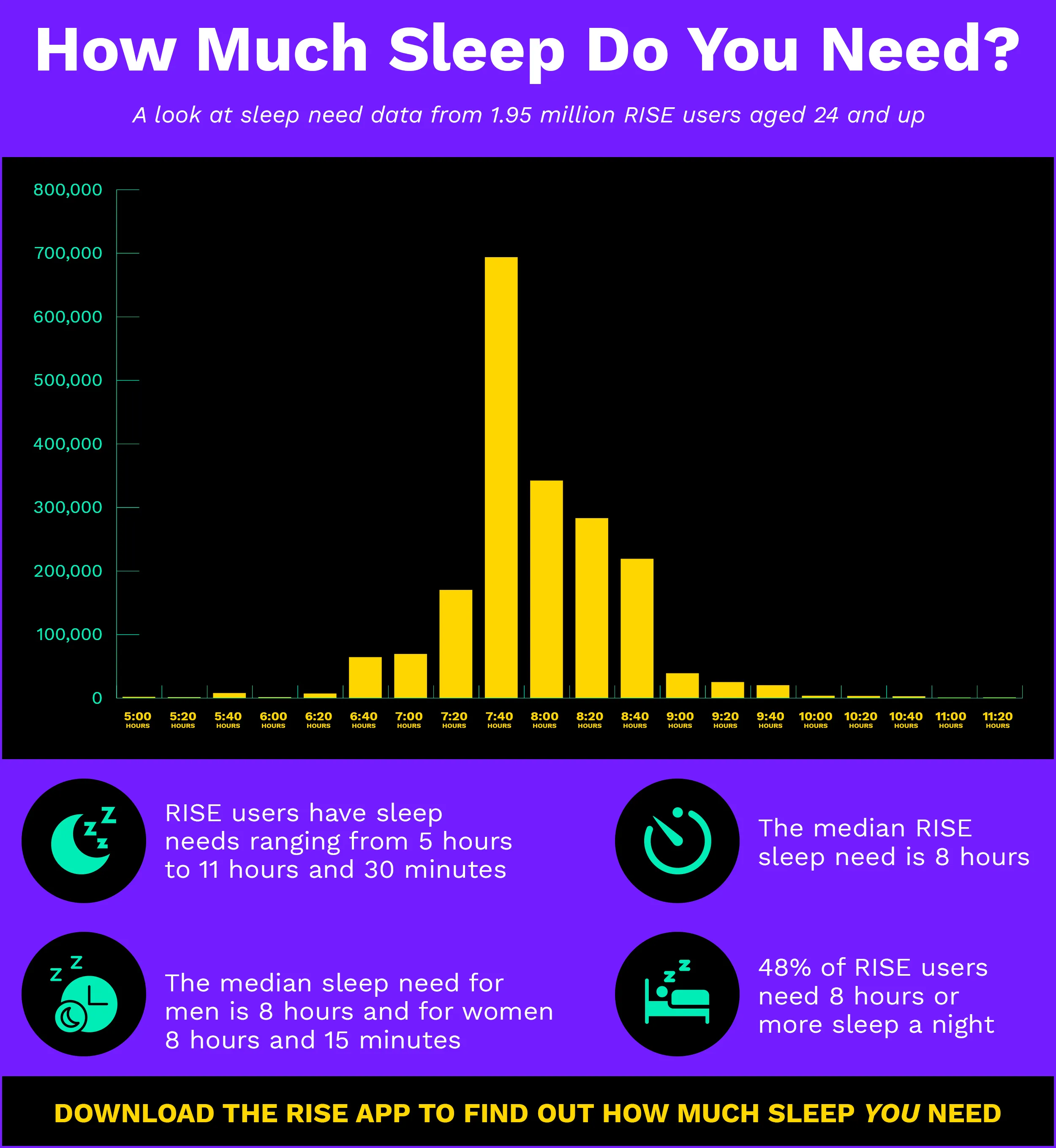
RISE can work out how much sleep you need, so you know what to aim for. RISE also tells you if you have any sleep debt and predicts your daily circadian rhythm, so you can get in sync with it. This should help you feel less tired, whether you're taking magnesium or not.
If you’re turning to magnesium because you can’t sleep, there’s more research behind sleep hygiene. These are the habits that are proven to help you fall asleep faster and wake up less often.
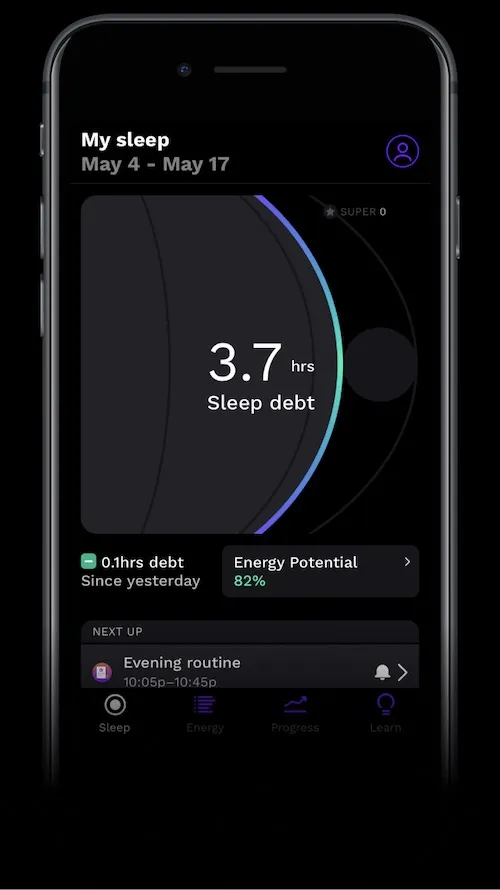
RISE can tell you the best time to do 20+ daily sleep hygiene habits at the right time for your circadian rhythm, which will make them more effective.
No, taking magnesium probably can’t make you sleepy during the day. It doesn’t act as a sedative, so taking a supplement in the morning or daytime probably wouldn’t cause daytime sleepiness or make you sleepy right away.
In fact, the opposite may be true. Magnesium may improve your sleep and, therefore, daytime energy levels.
A 2018 study published in Nutrients found that higher magnesium intake was associated with decreased odds of falling asleep during the day.
However, this link was found in women, but not in men, and researchers looked at dietary sources of magnesium, not supplements. Plus, there was no link between magnesium intake and daytime sleepiness — just falling asleep.
Beyond this, magnesium may improve your energy in other ways.
Magnesium is involved in energy production and energy metabolism — the breakdown of food for energy in your cells. Animal studies have found magnesium supplementation can improve the efficiency of energy metabolism and human studies suggest supplements can improve exercise performance, exercise-related fatigue, and the perception of fatigue.
Plus, side effects of magnesium deficiency include fatigue and lethargy, and low magnesium is linked with excessive daytime sleepiness, so supplements may improve your energy levels if you’re not getting enough magnesium. But more research is needed to back this up.
There are a few cases when magnesium could make you tired during the day:
As with all things magnesium, it may depend on how much you take, which form of magnesium you take, your natural levels of the mineral, and how you individually react to supplements.
Heads-up: Magnesium probably won’t cause insomnia or restless leg syndrome in most people. It may actually improve these sleep disorders, but more research is needed.
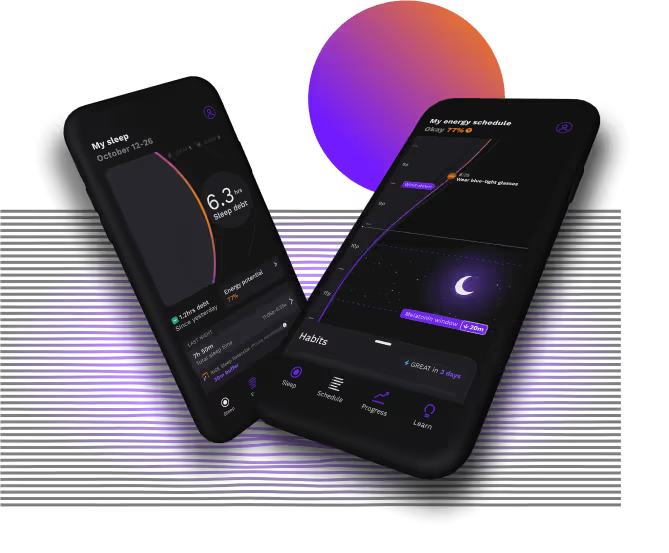
RISE makes it easy to improve your sleep and daily energy to reach your potential



Magnesium probably can’t make you tired the next day. Tiredness isn’t a common side effect of magnesium supplements (when you take the right amount) and there isn’t any research suggesting magnesium can cause tiredness the next morning if you take it the night before, like some sleep aids.
In fact, magnesium may help you get more sleep, giving you more energy the next day and morning.
However, as we mentioned above, if supplements interact with your medication, disrupt your sleep, or you take high levels of magnesium, you may feel sleepy and exhausted the next day.
It may also depend on the type and amount of magnesium you take and your natural levels of magnesium.
Yes, too much magnesium can make you tired. According to the Office of Dietary Supplements at the National Institutes of Health (NIH), very large doses of magnesium —typically more than 5,000 mg per day — have been associated with magnesium toxicity. This is when you have more than 1.74 to 2.61 millimoles of magnesium per liter in your blood.
Magnesium toxicity can cause side effects like:
Even without magnesium toxicity, the side effects of taking excess magnesium include diarrhea, nausea, and abdominal cramping. These side effects can keep you up at night, which can make you feel sleepy the next morning or day.
As supplemental magnesium can relax your muscles, increase melatonin, and have calming effects, taking too much can make you feel drowsy in this way before bed.
Expert tip: Dr. Wu advises not taking more than 500 mg of elemental magnesium per day.
Elemental magnesium refers to the actual amount of pure magnesium available for absorption from a supplement, regardless of the compound it's bound to, such as magnesium oxide or magnesium citrate.
This is in contrast to the National Institutes of Health (NIH) guidelines that recommend a tolerable upper intake level (UL) of 350 mg per day of magnesium from supplements. This NIH guideline pertains specifically to the total amount of magnesium ingested from non-food sources, not just the elemental portion, to prevent adverse side effects associated with excessive intake.
When you’re choosing a magnesium supplement, it’s important to understand the difference between total magnesium and elemental magnesium to ensure safe and effective supplementation!
There’s also a risk of magnesium overdose. Large doses of laxatives and antacids containing magnesium have caused hypermagnesemia (too much magnesium), which can be fatal.
Check with a doctor before taking magnesium if you’re pregnant, breastfeeding, or have a health condition. They may not be safe for those with kidney disease or cardiovascular disease.
We cover the best dosage of magnesium for sleep here.
You may not need to take magnesium every day or supplement with magnesium at all. You can get enough magnesium from your diet by eating foods high in magnesium.
Magnesium-rich foods include:
Check with a healthcare professional to find out if you have low magnesium and if supplements could be beneficial.
The health benefits of magnesium may include better sleep, but magnesium probably isn’t to blame if you’re feeling tired during the day or the next day after taking a supplement.
If you’re feeling tired, sleep debt and circadian misalignment are the more likely causes. RISE can help you lower your sleep debt and get in sync with your circadian rhythm to eliminate these common causes of fatigue.
RISE can also guide you through 20+ sleep hygiene habits, which can help you get better sleep without relying on magnesium.
Users say they don’t need any sleep supplements at all when using RISE:
“I suffer from genetic insomnia and have tried all kinds of medicines, supplements, and pretty much anything and everything else. RISE is the first thing that’s worked. Its estimations of my ideal bedtime for each night are completely accurate, and I’ve been waking up on my own for the first time in my entire life. I’m suddenly able to wake up and do things in the morning instead of feeling drowsy until one in the afternoon.” Read the review.
Even better? 80% of RISE users feel more energy within five days.
If magnesium makes you sleepy, it may be relaxing muscles or taking the edge off anxiety, which can help you drift off. That is the intended nighttime effect, not a guaranteed sedative. Evidence that it improves sleep is mixed, and it may not work for you. If you feel wiped out, you may be taking too much — lethargy is a high-dose side effect — or last night's stomach side effects wrecked your sleep. Check the dose with your doctor.
Usually not, at typical supplement doses. Magnesium is not a strong daytime sedative. If a daytime dose leaves you drowsy, look at the amount, the form, and whether it upset your stomach. Save it for evening if you are using it as a sleep aid, and stay at or under the 350 mg supplemental limit unless your doctor says otherwise. Food sources of magnesium will not knock you out at lunch.
Probably not, if you stay within usual doses. Next-day tiredness is more likely if a high dose caused diarrhea or nausea and wrecked your sleep, or if you took enough to cause lethargy. The NIH upper limit from supplements is 350 mg a day for that reason. If you wake groggy after magnesium, lower the dose or take it earlier, and talk to your doctor before you keep climbing.
There is no clear winner. Oxide has the best-known sleep trial — in older adults with insomnia — but the evidence is still thin. Citrate is better absorbed and used more for constipation than sleep. Glycinate is often easier on the stomach, with limited sleep data. Dr. Wu typically recommends 400–500 mg oxide, 250–500 mg citrate, or 200–400 mg glycinate, starting low. Ask your doctor which form fits you.
Many people take a nightly magnesium supplement, but you should stay within safe limits and check with your doctor first, especially if you have kidney disease or take other medications. The NIH upper intake level is 350 mg a day from supplements. You may already get enough from food. If you use it for sleep, treat it as an experiment: start low, watch for stomach side effects, and stop if it does nothing.