

Magnesium vs melatonin for sleep is not a winner-take-all. Magnesium may help if you're deficient or have restless legs. Melatonin may help when you need to shift timing — jet lag, shift work, a new schedule. Neither is first-line for insomnia. Talk to your doctor before you start either.
| Compared | Magnesium | Melatonin |
|---|---|---|
| Dose | No sleep-specific recommended dose. Dr. Wu often suggests 400–500 mg magnesium oxide, 250–500 mg citrate, or 200–400 mg glycinate, starting low. The NIH tolerable upper intake for supplemental magnesium is 350 mg/day unless a clinician says otherwise. More on magnesium dosage. | No universal guideline. Experts usually suggest 0.3–1 mg, short term. Larger store doses are not better studied. Your doctor can set the dose. More on how many mg of melatonin. |
| Evidence | May improve sleep onset, total time, and efficiency in some studies — often in older adults or people who are deficient. The American Academy of Sleep Medicine does not recommend magnesium for insomnia. More research is needed. | May help shift timing (jet lag, shift work, a delayed schedule). A 2013 meta-analysis found about seven minutes faster sleep onset in some sleep-disorder studies. Unlikely to knock you out at your usual bedtime. AASM does not recommend melatonin for insomnia. |
| Onset | Not a sedative. Dr. Wu has patients take it about 30–60 minutes before bed as part of wind-down. It will not force sleep on a clock. | Timing is the point. Taken about four to five hours before bed, it may pull sleep earlier. Taken at bedtime, you may only get a few extra minutes, or notice no difference. |
| Safety | Usually GI: cramps, nausea, diarrhea at high doses. Caution with kidney or heart disease. May interact with some antibiotics, bisphosphonates, diuretics, and PPIs. Talk to your doctor. | Headache, nausea, dizziness, next-day drowsiness. Usually short-term only. Caution with diabetes, high blood pressure, depression, and seizure or bleeding disorders. May interact with alcohol, opioids, warfarin, and sedating antihistamines. Talk to your doctor. |
This table is general information, not a personal dose. A clinician should set the product, amount, and timing for you.
Magnesium and melatonin are both supplements that could improve your sleep, but which one should you choose and can you take them together to get more benefits?
There’s not much solid guidance on the supplements, but we dive into the science to compare magnesium and melatonin. Plus, we share how the RISE app can help you fall and stay asleep without taking any supplements at all.
“Which supplement I recommend depends on my patients' specific sleep issues. Magnesium is often preferable to melatonin, which is only effective in certain situations and for brief periods,” says Dr. Chester Wu.
“I generally suggest magnesium for conditions like restless leg syndrome or if a patient has low magnesium levels, which can impact sleep. Melatonin may be helpful for overcoming jet lag or adjusting sleep schedules.”
Dr. Chester Wu is double board certified in Psychiatry and Sleep Medicine, and provides sleep medicine services, medication management, and psychotherapy to adults at his private sleep medicine and psychiatry practice.
Magnesium and melatonin may both improve sleep. But they address different concerns and work in different ways, so the best supplement for you depends on your sleep issues.
You might find you don’t need either supplement and something like good sleep hygiene works better (more on this soon). Or you might find neither supplement solves your issues if you have a sleep disorder, for example. Plus, good sleep looks different for everyone, so there’s no clear winner when it comes to the best sleep supplement.
If you want to take a supplement, magnesium may be your best bet as magnesium deficiency is common and is linked to sleep problems. Taking magnesium can also calm anxiety — a common sleep disruptor.
Studies suggest magnesium can improve:
However, more research is needed. Many of the studies on magnesium are done on older adults or those with health issues, sleep disorders, or a magnesium deficiency. It’s unclear how effective magnesium is for people outside of these groups.
If you get enough magnesium from food, for example, or you’re a healthy sleeper just looking to fall asleep faster, magnesium supplementation may not be that beneficial for you.
Beyond this, many magnesium studies are small, low quality, have contradictory findings, and use different types and amounts of magnesium, making it hard to draw solid conclusions.
Melatonin has more research behind it as a sleep aid, but it doesn’t work in the way you think. Its uses are more limited and it’s usually only taken short term.
Melatonin can help you fall and stay asleep when you usually wouldn’t, so it’s useful for:
But it likely won’t help you fall asleep at your usual bedtime.
A 2013 meta-analysis found melatonin can sometimes help people with sleep disorders fall asleep faster, but only by a mere seven minutes.
There aren’t any head-to-head studies comparing magnesium to melatonin for sleep, however. This is what we know about each supplement individually.
You might find both magnesium and melatonin work for your sleep due to the placebo effect, however. Just taking a sleep supplement and believing it’ll help you sleep can make it work.
Consulting with your doctor is the best way to determine which supplement, if any, is right for you. Keep in mind, the American Academy of Sleep Medicine doesn’t recommend melatonin or magnesium for insomnia.
If you’re looking to manage short-term troubles falling and staying asleep, it’s unclear how effective these supplements would be. More research is needed on both sleep supplements to say for sure, especially magnesium. Sleep hygiene (more on that soon) may be a better bet. Your doctor can let you know if a supplement would be helpful and, if so, which one.
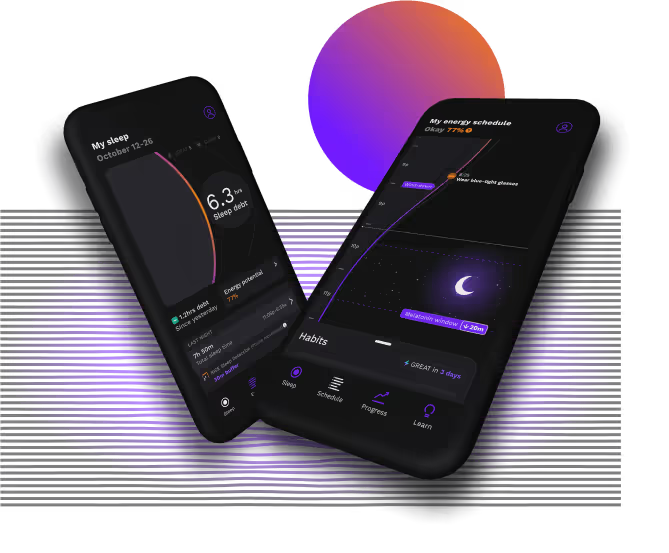
RISE makes it easy to improve your sleep and daily energy to reach your potential



Magnesium can help you sleep by:
Magnesium has also been shown to help health issues like anxiety, depression, migraines, constipation, hot flashes, and muscle and leg cramps. Reducing symptoms related to these issues could help you sleep.
It’s unclear what the best type of magnesium is for sleep. And there’s no best time to take magnesium or an ideal magnesium dose. In general, 350 mg a day is the recommended upper limit to avoid side effects, unless you’re advised otherwise.
Dr. Wu usually recommends 400 to 500 mg of magnesium oxide, 250 to 500 mg of magnesium citrate, or 200 to 400 mg of magnesium glycinate to his patients if they have sleep problems. He says to take a supplement about 30 minutes to one hour before bed as part of a wind-down routine. Speak to your doctor to find the best dosage for you.
We’ve covered more on the best magnesium dosage for sleep here.
Melatonin can help you sleep by shifting the timing of your circadian rhythm, which is useful for getting over jet lag, and by making you sleepy when your natural melatonin levels are low (during the day), which can be useful for shift workers.
Timing is everything when it comes to melatonin (it’s what scientists call a chronobiotic or something that adjusts the timing of your internal biological clock or circadian rhythm).
If you take melatonin:
There are no universal guidelines on how much melatonin to take, but experts usually recommend taking 0.3 mg to 1 mg. Your doctor can let you know the best dose for you.
RISE can tell you the best time to take melatonin to make it more effective.
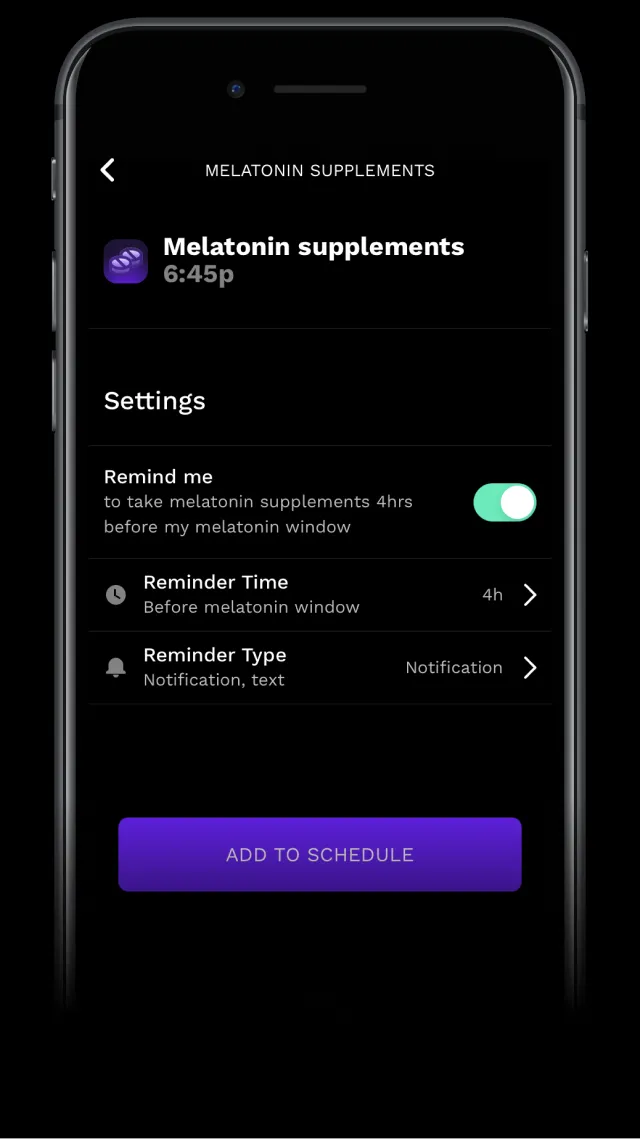
Both magnesium and melatonin could help you sleep. Which one is best for you will depend on the type of sleep problems you’re suffering from and your own biology.
Here’s what to consider when choosing between the supplements:
Speak with a healthcare provider to get tailored advice on your sleep issues. Dietary supplements may not be the best treatment. If they are, a doctor can recommend the best one for you.
Yes, you can take magnesium and melatonin together. The two supplements don’t seem to have negative interactions with each other and you can even buy supplements that combine the two into one tablet.
There isn’t much research on the combination, though. One study we have is a 2019 study that looked at how a magnesium, melatonin, and vitamin B complex supplement affected people with insomnia. It found that after three months of daily supplementation, participants reported improved insomnia.
While promising, it’s unclear if the combination of supplements was beneficial or if one supplement in the mix was more effective than the others.
If you decide to take magnesium and melatonin together, check with a healthcare professional first to make sure the combination is safe for you. Start with a low dose of one supplement before adding in the other, so you know which causes side effects if they pop up.
You may not need to take melatonin, magnesium, or any other supplement to fall asleep. You can try improving your sleep hygiene instead.
Sleep hygiene is the group of habits that are proven to help you fall asleep faster and stay asleep longer.
If you decide to take magnesium or melatonin, good sleep hygiene can make sure nothing gets in the way of a good night’s sleep, so you can take the lowest dose possible for the shortest amount of time.
Here’s what to do:
Sleep hygiene habits are even more effective when you do them at the right time for your body. This is where RISE comes in.
RISE can tell you when to do 20+ sleep hygiene habits at the best time for you depending on your daily circadian rhythm.
Having good sleep hygiene will help keep your natural melatonin levels high, especially getting and avoiding light at the right times.
We share how to increase melatonin naturally here.
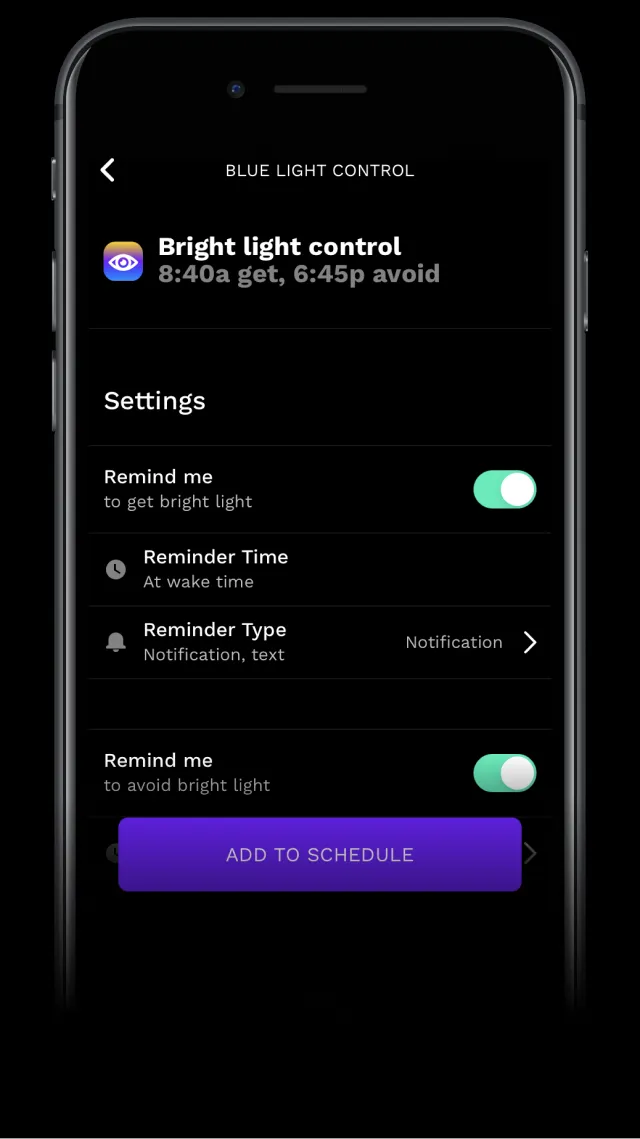
Beyond sleep hygiene, RISE can also predict the timing of your Melatonin Window, the time of night when your body’s rate of melatonin production is at its highest. Going to bed during this roughly one-hour window of time means you harness your natural supply of the hormone to fall and stay asleep more easily.
For magnesium, you can get more magnesium from your diet. Getting more magnesium from food may be better at resolving a magnesium deficiency than taking supplements.
Magnesium-rich foods include:
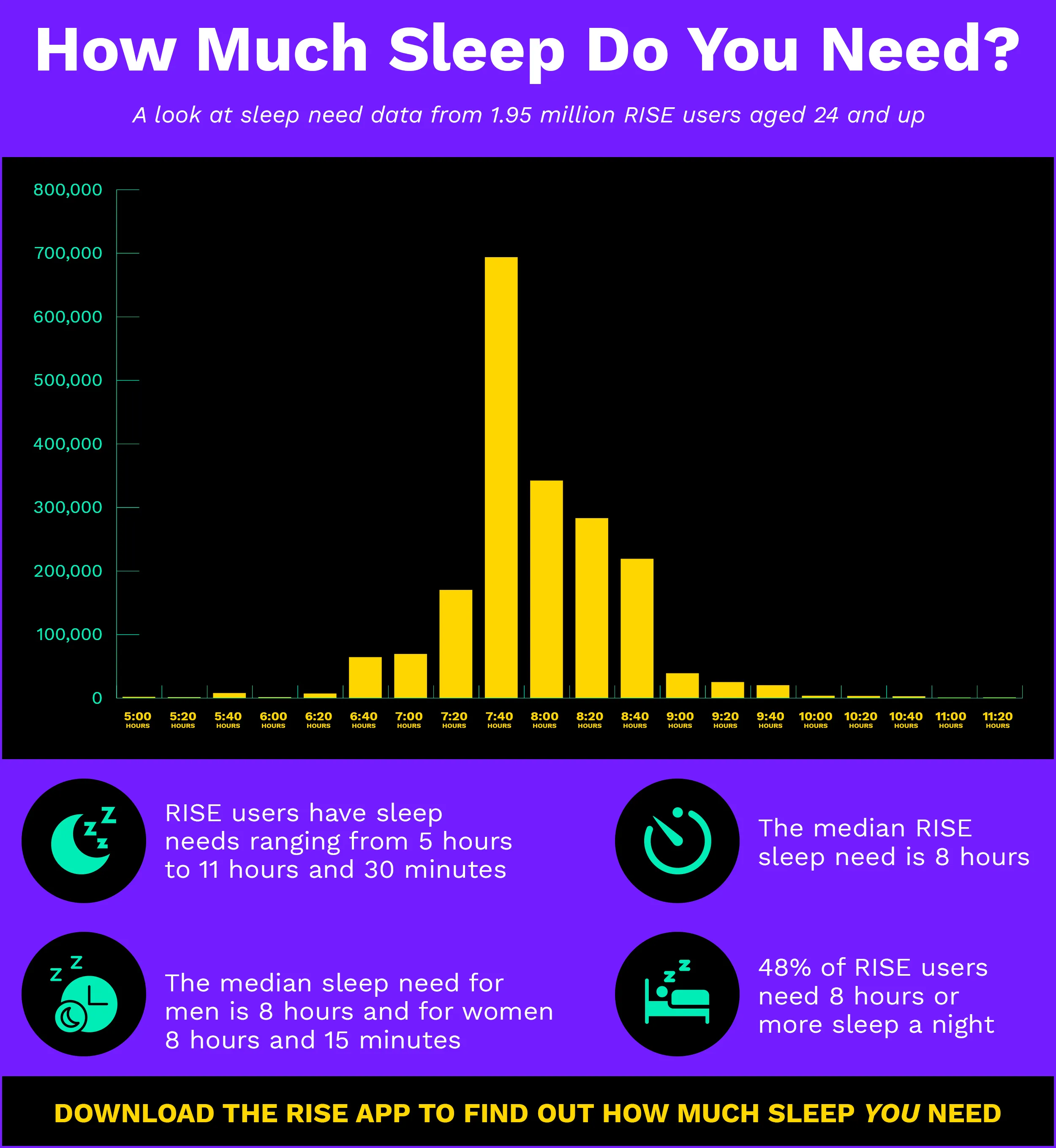
Heads-up: Alongside improving your sleep hygiene, you need to know how much sleep you should be aiming for. Everyone needs a different amount of sleep — this is known as your sleep need. It varies quite a lot from person to person.
Among 1.95 million RISE users aged 24 and up, we found sleep needs ranged from five hours to 11 hours 30 minutes.
RISE can work out how much sleep you personally need.
Melatonin and magnesium are both popular sleep aids, but they work in different ways for different scenarios. The best one for you depends what sleep issue you’re trying to solve, and you may not need either.
Melatonin is best for shifting your sleep schedule (like when traveling across time zones) and magnesium is best if you have low magnesium levels (which can affect your sleep) or have conditions like depression or restless leg syndrome. Melatonin probably won’t help healthy sleepers fall and stay asleep at bedtime, and more research is needed on magnesium on this front.
RISE can help you get better sleep whatever supplement you choose — or if you choose not to take either supplement and go the natural route. The app guides you through 20+ sleep hygiene habits, tells you when to harness your natural supply of melatonin, and — if you decide on melatonin supplements — the best time to take them.
Users agree:
“If I go to sleep according to my schedule, within my Melatonin Window, I am guaranteed to satisfy my sleep needs without any additional sleep aids, supplements, or medications.” Read the review.
And it works fast — 80% of RISE users get more sleep within five days.
It depends on the problem, and there is no head-to-head winner. Magnesium may be the better first try if you are deficient, anxious, or have restless legs. Melatonin may help when you need to shift timing — jet lag, shift work, or a new schedule. Neither is likely to knock you out at your usual bedtime. The American Academy of Sleep Medicine does not recommend either for insomnia. Ask your doctor which, if either, fits you.
You can, in the sense that they do not seem to interact with each other, and some products combine them. Research on the combo is thin. One 2019 study of magnesium, melatonin, and a B-complex reported better insomnia scores after three months, but it is unclear which ingredient did the work. Start one at a low dose before you add the other, and check with your doctor first, especially if you take other medicines.
There is no agreed sleep dose. Dr. Wu often suggests 400 to 500 mg of magnesium oxide, 250 to 500 mg of citrate, or 200 to 400 mg of glycinate, starting low. The NIH tolerable upper intake for supplemental magnesium is 350 mg a day unless a clinician says otherwise. Side effects are usually stomach cramps, nausea, or diarrhea. Food may already cover you. Get a clinician to set the form and amount.
There is no universal guideline. Experts usually suggest 0.3 mg to 1 mg, for a short stretch, not as a nightly sedative. Larger store doses are not better studied and are not clearly more effective. Timing matters more than milligrams: used several hours before the sleep time you want, it may shift your clock. Used at bedtime, you may only gain a few minutes. Ask your doctor before you start.
No. The American Academy of Sleep Medicine does not recommend magnesium or melatonin as insomnia treatment. That is a guideline position, not a ban on every use. Melatonin may still have a role as a chronobiotic for jet lag or a delayed schedule. Magnesium may still be discussed if you are deficient or have restless legs. Chronic insomnia usually needs a different plan, often CBT-I. Talk to a clinician.
Melatonin is not a lights-out pill. Taken about four to five hours before bed, it may pull your clock earlier. Taken in the morning, it may push sleep later. Taken right at bedtime, you may only get a few extra minutes or notice no difference. That is why it can feel like it failed. If you use it, get timing from a clinician or a tool that knows your schedule, and keep the dose small.